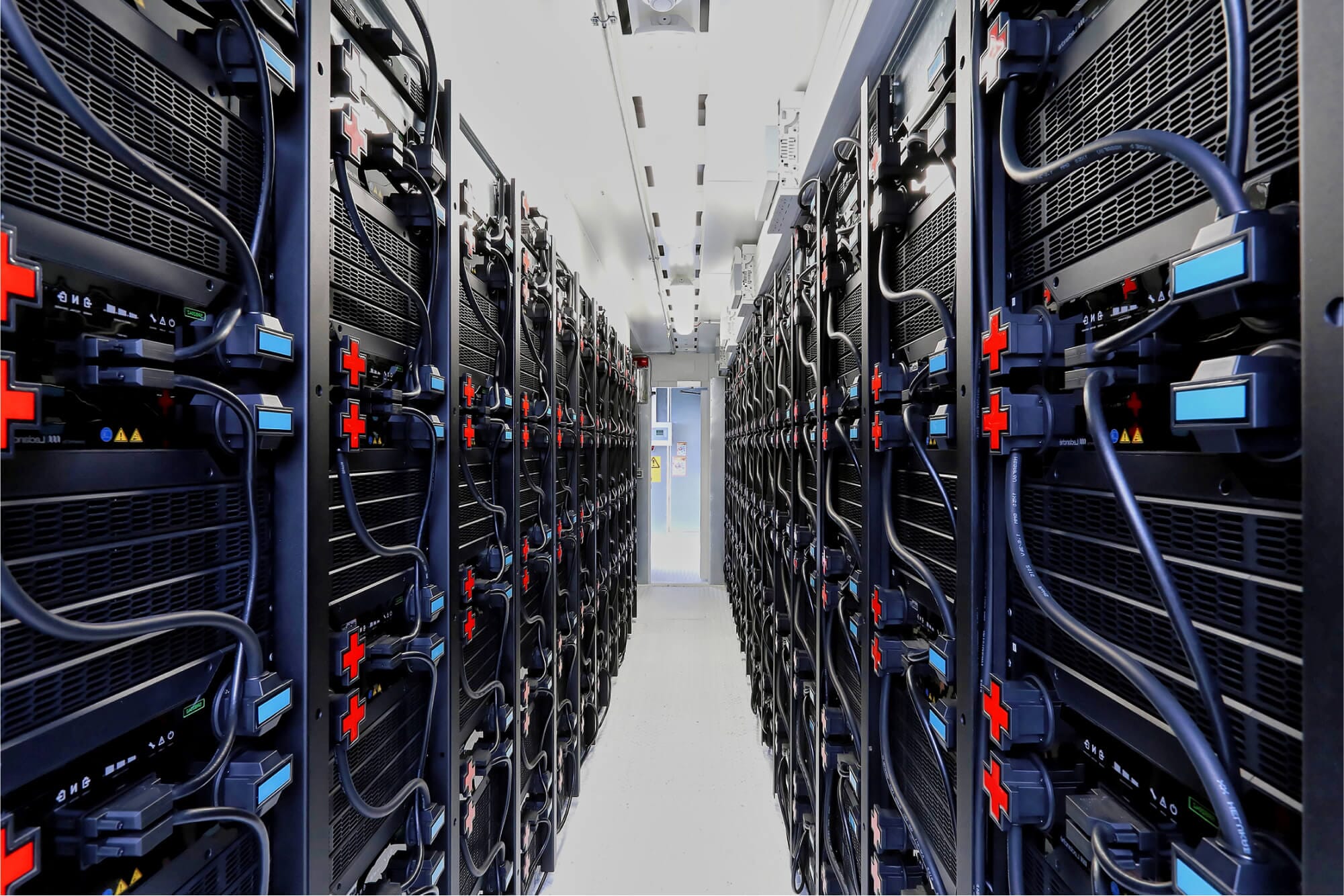
Data centres are becoming one of the most important new sources of electricity demand globally, driven by cloud expansion, AI training, and inference workloads. Longspur argues that while efficiency gains are meaningful, they are unlikely to offset the scale of demand growth, especially as cheaper and more efficient computing tends to unlock even more usage. That is creating a major opportunity across storage, solar, hydrogen, geothermal, and carbon removal, while also opening a new lane for experienced power developers to move into data centre development itself.
Key Takeaways:
Data centres are a major new demand driver:
Longspur forecasts strong growth in power demand from data centres through 2030, with global electricity consumption from the sector potentially reaching around 3% of total demand, and materially higher shares in markets such as the US, UK, and Ireland.
Demand is not true baseload:
Despite common assumptions, data centre electricity use is often cyclical and variable, with meaningful fluctuations in utilisation and load. That makes flexibility and fast-response power solutions critical.
Storage stands to benefit first:
Because data centre loads swing and grids are already under pressure, both short- and long-duration storage look increasingly valuable. Batteries, flow batteries, and compressed air storage could all play a role in smoothing demand and supporting reliability.
“Bring your own power” is accelerating:
Grid delays, rising connection costs, and local opposition are pushing operators toward behind-the-meter and microgrid solutions. Solar-plus-storage stands out as one of the most practical and cost-effective options where land is available.
Renewables plus storage look best positioned:
Longspur sees PV and battery combinations as especially attractive thanks to low equipment costs, shorter lead times, and competitive economics. Geothermal and hydrogen also have roles, while gas and nuclear face longer lead times or higher costs.
Clean energy developers have a strategic edge:
Many of the skills needed to develop data centres, site selection, permitting, grid access, capital structuring, and equipment procurement, overlap heavily with capabilities already held by energy developers.
Data centre development itself is an opportunity:
Rather than only supplying power, power developers may be able to create value by developing fully permitted, energy-ready sites for eventual sale to operators, avoiding some of the operational and obsolescence risks of owning the data centres long term.
AI upside is not yet fully priced into clean energy:
Despite the surge in attention around AI and data centres, Longspur argues that most clean energy names still do not reflect these demand tailwinds in their valuations, outside of a few exceptions.
Data centres are rapidly emerging as one of the defining electricity growth stories of the next decade. As grid bottlenecks intensify and operators seek faster, cleaner, and more flexible supply, the beneficiaries are likely to extend well beyond the data centre owners themselves. Storage, solar, geothermal, hydrogen, CDR providers, and even land-rich power developers could all gain from the shift, especially where they can help solve the industry’s central constraint: access to reliable power.
Register to access the detailed Longspur report, including demand forecasts, load profile analysis, BYOP economics, comparisons across gas, fuel cells, solar, geothermal and nuclear, storage implications, and Longspur’s framework for valuing data centre development opportunities:
https://longspur.worldflowconnect.net/login